MENU
MENU
SDC
SDC
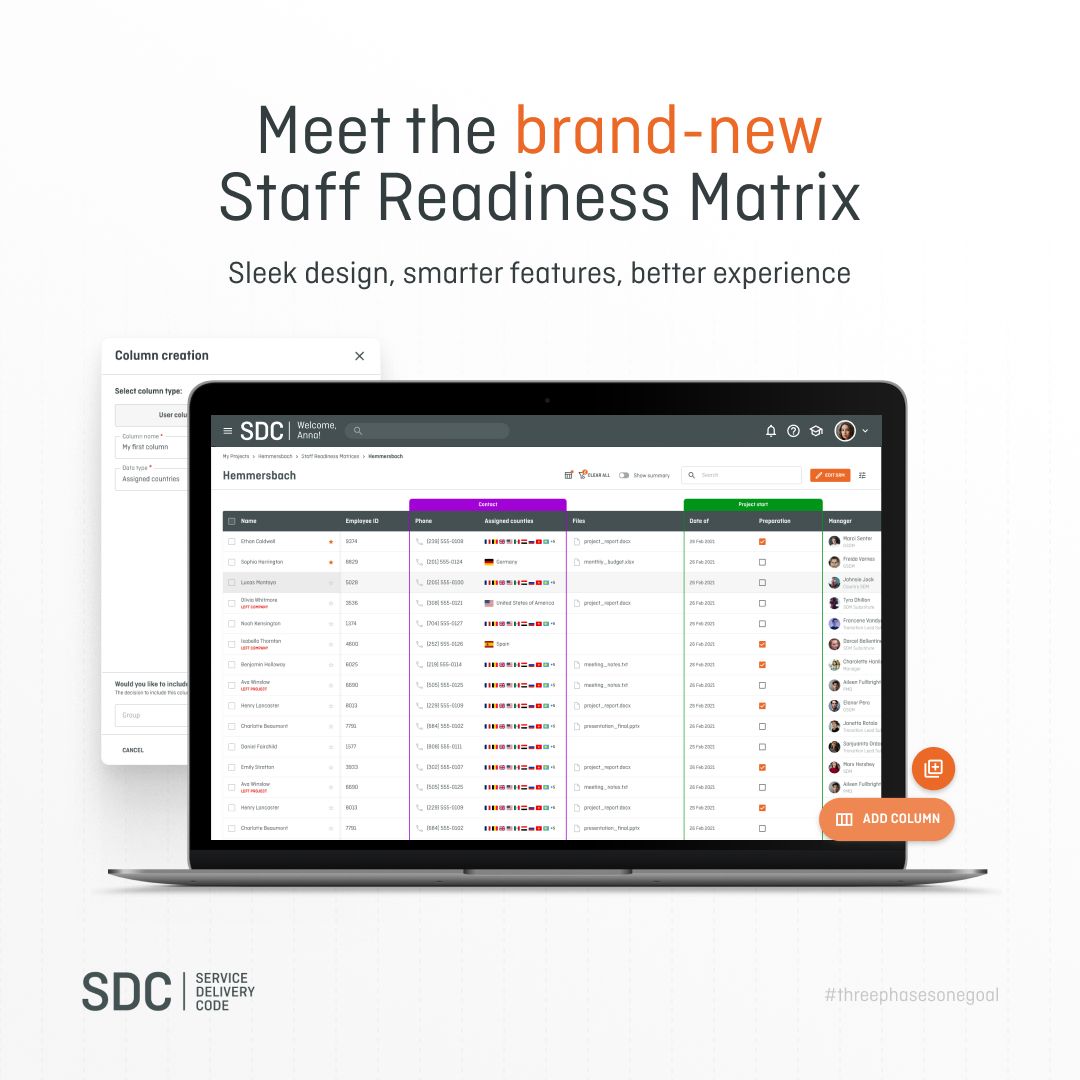
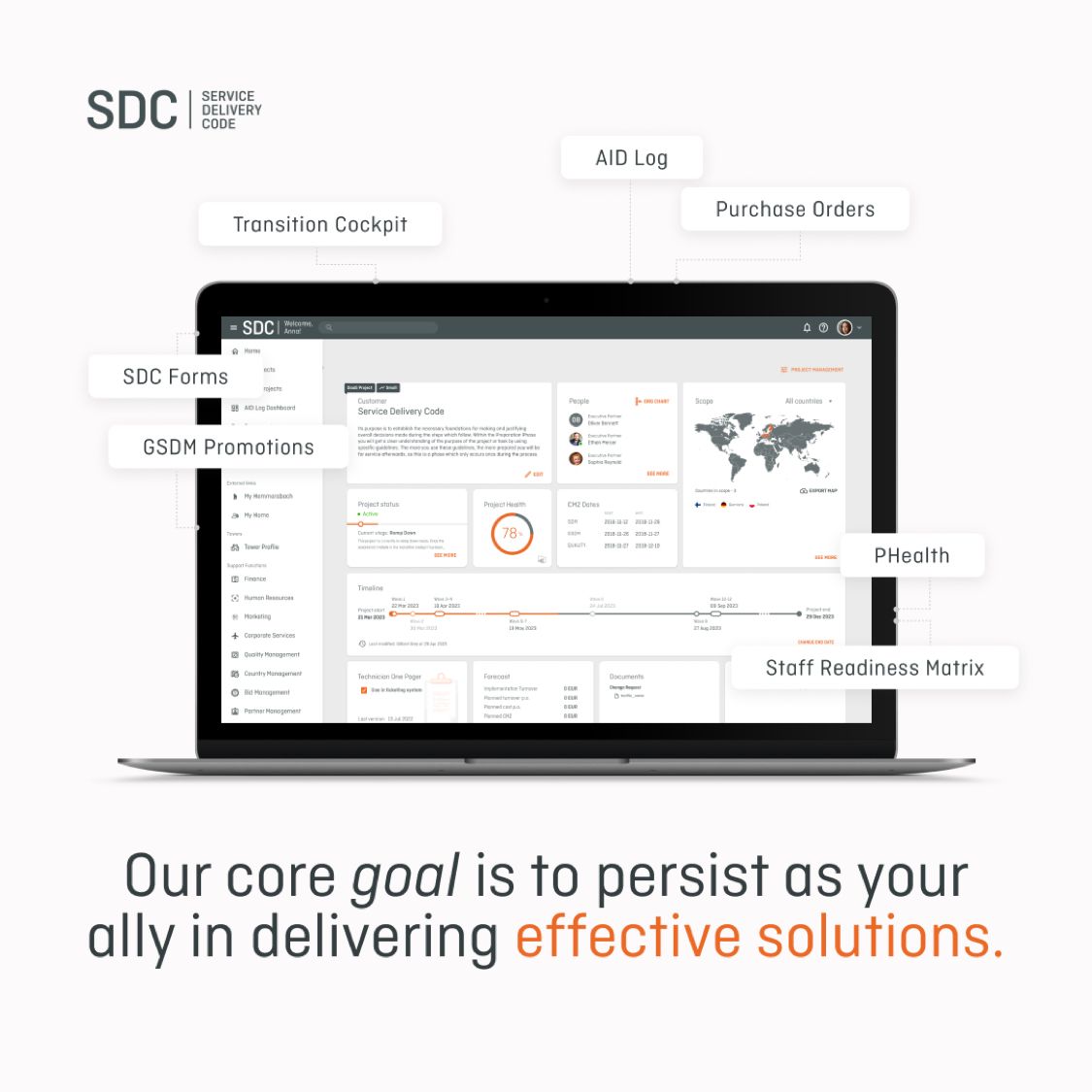
Hemmersbach's Service Delivery Code (SDC) is a dynamic software platform designed to simplify, automate, and standardize the implementation of service delivery projects.
Research
Research
Features were grounded in deep, contextual research involving interviews with Quality Managers, stakeholders, and HR teams to uncover workflow challenges - from buried comments and poor task visibility to rigid Excel-based processes and lack of data filters. By mapping user journeys and identifying bottlenecks early, we shaped UX decisions that addressed real pain points and aligned cross-functional teams around shared goals.
Features were grounded in deep, contextual research involving interviews with Quality Managers, stakeholders, and HR teams to uncover workflow challenges - from buried comments and poor task visibility to rigid Excel-based processes and lack of data filters. By mapping user journeys and identifying bottlenecks early, we shaped UX decisions that addressed real pain points and aligned cross-functional teams around shared goals.
Research
Features were grounded in deep, contextual research involving interviews with Quality Managers, stakeholders, and HR teams to uncover workflow challenges - from buried comments and poor task visibility to rigid Excel-based processes and lack of data filters. By mapping user journeys and identifying bottlenecks early, we shaped UX decisions that addressed real pain points and aligned cross-functional teams around shared goals.
Design
Design
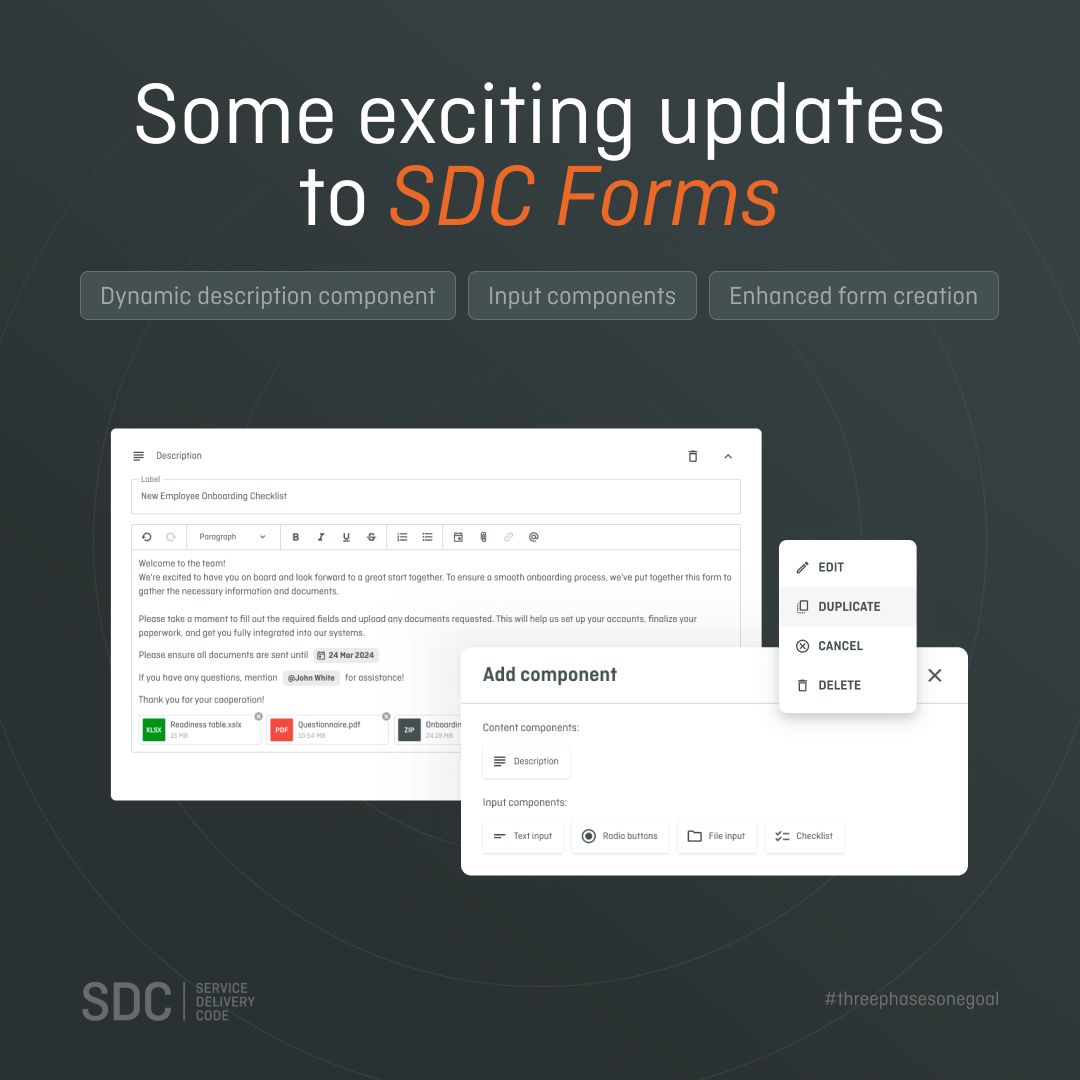
Design decisions were driven by scalability, clarity, and real user needs, whether optimizing for mobile responsiveness and clear task grouping or building data-heavy, desktop-first interfaces for power users. By applying consistent UI patterns while tailoring components like filters, dropdowns, and inline editing to specific workflows, I created a cohesive yet flexible experience across whole platform.
Design decisions were driven by scalability, clarity, and real user needs, whether optimizing for mobile responsiveness and clear task grouping or building data-heavy, desktop-first interfaces for power users. By applying consistent UI patterns while tailoring components like filters, dropdowns, and inline editing to specific workflows, I created a cohesive yet flexible experience across whole platform.
Design
Design decisions were driven by scalability, clarity, and real user needs, whether optimizing for mobile responsiveness and clear task grouping or building data-heavy, desktop-first interfaces for power users. By applying consistent UI patterns while tailoring components like filters, dropdowns, and inline editing to specific workflows, I created a cohesive yet flexible experience across whole platform.
Development
Development
Close collaboration with developers ensured the designs were both functional and scalable, from building responsive comment section and grouping logic to implementing high-performance desktop features like bulk editing and Excel integration. Through iterative prototyping, regular syncs, and hands-on QA, we translated complex design specs into efficient, reliable front-end solutions across tool.
Close collaboration with developers ensured the designs were both functional and scalable, from building responsive comment section and grouping logic to implementing high-performance desktop features like bulk editing and Excel integration. Through iterative prototyping, regular syncs, and hands-on QA, we translated complex design specs into efficient, reliable front-end solutions across tool.
Development
Close collaboration with developers ensured the designs were both functional and scalable, from building responsive comment section and grouping logic to implementing high-performance desktop features like bulk editing and Excel integration. Through iterative prototyping, regular syncs, and hands-on QA, we translated complex design specs into efficient, reliable front-end solutions across tool.
Final Thought
Final Thought
This case study reflects how a user-centered approach - grounded in research and supported by strong design–dev collaboration - can drive meaningful transformation in internal tools. By balancing scalability with simplicity, we delivered features that empowered teams, improved productivity, and scaled with organizational needs. These solutions continue to serve as foundational systems for day-to-day operations across departments.
This case study reflects how a user-centered approach - grounded in research and supported by strong design–dev collaboration - can drive meaningful transformation in internal tools. By balancing scalability with simplicity, we delivered features that empowered teams, improved productivity, and scaled with organizational needs. These solutions continue to serve as foundational systems for day-to-day operations across departments.
Final Thought
This case study reflects how a user-centered approach - grounded in research and supported by strong design–dev collaboration - can drive meaningful transformation in internal tools. By balancing scalability with simplicity, we delivered features that empowered teams, improved productivity, and scaled with organizational needs. These solutions continue to serve as foundational systems for day-to-day operations across departments.
More Works More Works
More Works More Works